Buy every4one.com ?
We are moving the project
every4one.com .
Are you interested in purchasing the domain
every4one.com ?
domain@kv-gmbh.de · 0541-91531010
Buy every4one.com ?
How do the abiotic environmental factors temperature, light, and water affect the ocean?
Temperature, light, and water are critical abiotic environmental factors that affect the ocean in various ways. Temperature influences the distribution and behavior of marine organisms, as well as the ocean's circulation patterns. Light availability affects photosynthesis and primary production, which in turn impacts the entire marine food web. Water availability, in the form of salinity and nutrient content, influences the density and composition of marine life. Overall, these abiotic factors play a crucial role in shaping the physical and biological characteristics of the ocean ecosystem. **
What are abiotic factors in ecology?
Abiotic factors in ecology are non-living components of an ecosystem that can influence the living organisms within it. These factors include physical and chemical elements such as temperature, sunlight, water, soil, air, and nutrients. Abiotic factors play a crucial role in shaping the environment and determining the types of organisms that can survive in a particular ecosystem. They can also affect the distribution, behavior, and abundance of species within an ecosystem. **


Similar search terms for Abiotic Water
Top-Angebote
Products related to Abiotic Water:
-
United Premium Automatic Pet Water Dispenser With Circulating Filtered Flow Premium Automatic Pet Water Dispenser With Circulating Filtered FlowMake every sip clean, fresh, and inviting with the Premium automatic pet water dispenser designed for devoted pet owners. This modern pet fountain keeps water moving and circulating so cats and small dogs stay hydrated and healthy without daily...54,97 $*Shipping: 0,00 $Secure redirect to the provider
-
United Automatic Heated Pet Water Feeder Bowl For Cats And Dogs pinkGive your pet the comfort of dependable hydration in every season. This automatic pet water feeder gives cats and dogs a steady drinking spot without constant bowl checks. Its warming function helps make water more inviting on colder days, while the...63,97 $*Shipping: 0,00 $Secure redirect to the provider
-
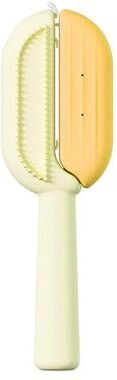
United Premium Water Tank Pet Grooming Brush & Massage Hair Removal Comb orangeBring joy to your pets grooming routine with a salonlevel pet grooming brush designed for comfort, efficiency, and happier bonding moments. This versatile tool combines gentle massage with effective detangling and shedding control, perfect for busy...34,97 $*Shipping: 0,00 $Secure redirect to the provider
-
United AutoPet Tilted Pet Bowl With Automatic Water Dispenser & Anti Spill Design greenGive your furry friend the comfort and convenience they deserve with this allinone feeding solution. The AutoPet 3in1 Tilted Pet Bowl pairs an automatic water dispenser with a spacious food tray to keep meals and hydration fresh throughout the day....54,97 $*Shipping: 0,00 $Secure redirect to the provider



-
What are abiotic factors in the Antarctic?
Abiotic factors in the Antarctic include extreme cold temperatures, strong winds, low precipitation, and high levels of ultraviolet radiation due to the hole in the ozone layer. The frozen landscape is also a significant abiotic factor, as the ice and snow cover much of the continent. These abiotic factors create a harsh environment that shapes the unique ecosystems and limits the types of organisms that can survive in the Antarctic. **
-
What are abiotic and biotic factors for humans?
Abiotic factors for humans include non-living elements such as air quality, temperature, and sunlight exposure. These factors can directly impact human health and well-being. Biotic factors for humans involve living organisms that interact with humans, such as pathogens, parasites, and symbiotic organisms like gut bacteria. These factors can also have significant effects on human health and disease. **
-
What are application tasks related to abiotic factors?
Application tasks related to abiotic factors involve studying the impact of non-living elements such as temperature, water availability, soil composition, and sunlight on various ecosystems. Researchers may investigate how changes in these abiotic factors affect plant growth, animal behavior, and overall ecosystem health. Understanding these relationships is crucial for predicting and managing the effects of climate change, land use changes, and other environmental disturbances on ecosystems. By studying abiotic factors, scientists can develop strategies to conserve biodiversity, restore degraded habitats, and promote sustainable resource management. **
-
What are abiotic and biotic factors in biology?
Abiotic factors in biology are non-living components of an ecosystem, such as temperature, sunlight, water, and soil. These factors can have a significant impact on the organisms living in the ecosystem. Biotic factors, on the other hand, are living components of an ecosystem, including plants, animals, fungi, and microorganisms. These factors interact with each other and with the abiotic factors to create a complex and dynamic environment. Both abiotic and biotic factors play crucial roles in shaping the structure and function of ecosystems. **


What do abiotic and biotic environmental factors mean?
Abiotic environmental factors refer to non-living components of an ecosystem, such as temperature, sunlight, water, and soil. These factors can have a significant impact on the survival and distribution of living organisms within an ecosystem. Biotic environmental factors, on the other hand, refer to the living components of an ecosystem, including plants, animals, and microorganisms. These factors can also influence the dynamics of an ecosystem through interactions such as predation, competition, and symbiosis. Both abiotic and biotic factors play crucial roles in shaping the structure and function of ecosystems. **
What biotic and abiotic factors affect the wolf?
Biotic factors that affect the wolf include the availability of prey species such as deer, elk, and moose, as well as competition with other predators like bears and cougars. Additionally, the presence of other wolf packs can also impact their territory and hunting success. Abiotic factors that affect wolves include climate, temperature, and the availability of water sources. Harsh winters and limited access to water can impact their ability to survive and thrive in their environment. **
Top-Angebote
Products related to Abiotic Water:
-
United Water Flosser Dental Water Jet Replacement Tube Hose Handle For Waterpik Water Flosser Dental Water Jet Replacement Tube Hose Handle For WaterpikRediscover effortless oral care with a simple part that delivers big results. This water flosser replacement hose and handle instantly renews your trusted device, giving you smooth, reliable water flow every time. Designed for homeowners who care...41,97 $*Shipping: 0,00 $Secure redirect to the provider
-
Our Voices: Neighborhood & Community Boxed SetFoster a feeling of belonging while building key reading skills with these colorful storybooks that spotlight a variety of neighborhoods and communities. The 10 charming stories feature characters from different cultural backgrounds who learn about...30,59 $*Shipping: 0,00 $Secure redirect to the provider
-
United Premium Automatic Pet Water Dispenser With Circulating Filtered Flow Premium Automatic Pet Water Dispenser With Circulating Filtered FlowMake every sip clean, fresh, and inviting with the Premium automatic pet water dispenser designed for devoted pet owners. This modern pet fountain keeps water moving and circulating so cats and small dogs stay hydrated and healthy without daily...54,97 $*Shipping: 0,00 $Secure redirect to the provider
-
United Automatic Heated Pet Water Feeder Bowl For Cats And Dogs pinkGive your pet the comfort of dependable hydration in every season. This automatic pet water feeder gives cats and dogs a steady drinking spot without constant bowl checks. Its warming function helps make water more inviting on colder days, while the...63,97 $*Shipping: 0,00 $Secure redirect to the provider
-
How do the abiotic environmental factors temperature, light, and water affect the ocean?
Temperature, light, and water are critical abiotic environmental factors that affect the ocean in various ways. Temperature influences the distribution and behavior of marine organisms, as well as the ocean's circulation patterns. Light availability affects photosynthesis and primary production, which in turn impacts the entire marine food web. Water availability, in the form of salinity and nutrient content, influences the density and composition of marine life. Overall, these abiotic factors play a crucial role in shaping the physical and biological characteristics of the ocean ecosystem. **
-
What are abiotic factors in ecology?
Abiotic factors in ecology are non-living components of an ecosystem that can influence the living organisms within it. These factors include physical and chemical elements such as temperature, sunlight, water, soil, air, and nutrients. Abiotic factors play a crucial role in shaping the environment and determining the types of organisms that can survive in a particular ecosystem. They can also affect the distribution, behavior, and abundance of species within an ecosystem. **
-
What are abiotic factors in the Antarctic?
Abiotic factors in the Antarctic include extreme cold temperatures, strong winds, low precipitation, and high levels of ultraviolet radiation due to the hole in the ozone layer. The frozen landscape is also a significant abiotic factor, as the ice and snow cover much of the continent. These abiotic factors create a harsh environment that shapes the unique ecosystems and limits the types of organisms that can survive in the Antarctic. **
-
What are abiotic and biotic factors for humans?
Abiotic factors for humans include non-living elements such as air quality, temperature, and sunlight exposure. These factors can directly impact human health and well-being. Biotic factors for humans involve living organisms that interact with humans, such as pathogens, parasites, and symbiotic organisms like gut bacteria. These factors can also have significant effects on human health and disease. **
Similar search terms for Abiotic Water
-
United Premium Water Tank Pet Grooming Brush & Massage Hair Removal Comb orangeBring joy to your pets grooming routine with a salonlevel pet grooming brush designed for comfort, efficiency, and happier bonding moments. This versatile tool combines gentle massage with effective detangling and shedding control, perfect for busy...34,97 $*Shipping: 0,00 $Secure redirect to the provider
-
United AutoPet Tilted Pet Bowl With Automatic Water Dispenser & Anti Spill Design greenGive your furry friend the comfort and convenience they deserve with this allinone feeding solution. The AutoPet 3in1 Tilted Pet Bowl pairs an automatic water dispenser with a spacious food tray to keep meals and hydration fresh throughout the day....54,97 $*Shipping: 0,00 $Secure redirect to the provider
-
United Automatic Heated Pet Water Feeder Bowl For Cats And Dogs blueGive your pet the comfort of dependable hydration in every season. This automatic pet water feeder gives cats and dogs a steady drinking spot without constant bowl checks. Its warming function helps make water more inviting on colder days, while the...63,97 $*Shipping: 0,00 $Secure redirect to the provider
-
United Automatic Heated Pet Water Feeder Bowl For Cats And Dogs whiteGive your pet the comfort of dependable hydration in every season. This automatic pet water feeder gives cats and dogs a steady drinking spot without constant bowl checks. Its warming function helps make water more inviting on colder days, while the...63,97 $*Shipping: 0,00 $Secure redirect to the provider
-
What are application tasks related to abiotic factors?
Application tasks related to abiotic factors involve studying the impact of non-living elements such as temperature, water availability, soil composition, and sunlight on various ecosystems. Researchers may investigate how changes in these abiotic factors affect plant growth, animal behavior, and overall ecosystem health. Understanding these relationships is crucial for predicting and managing the effects of climate change, land use changes, and other environmental disturbances on ecosystems. By studying abiotic factors, scientists can develop strategies to conserve biodiversity, restore degraded habitats, and promote sustainable resource management. **
-
What are abiotic and biotic factors in biology?
Abiotic factors in biology are non-living components of an ecosystem, such as temperature, sunlight, water, and soil. These factors can have a significant impact on the organisms living in the ecosystem. Biotic factors, on the other hand, are living components of an ecosystem, including plants, animals, fungi, and microorganisms. These factors interact with each other and with the abiotic factors to create a complex and dynamic environment. Both abiotic and biotic factors play crucial roles in shaping the structure and function of ecosystems. **
-
What do abiotic and biotic environmental factors mean?
Abiotic environmental factors refer to non-living components of an ecosystem, such as temperature, sunlight, water, and soil. These factors can have a significant impact on the survival and distribution of living organisms within an ecosystem. Biotic environmental factors, on the other hand, refer to the living components of an ecosystem, including plants, animals, and microorganisms. These factors can also influence the dynamics of an ecosystem through interactions such as predation, competition, and symbiosis. Both abiotic and biotic factors play crucial roles in shaping the structure and function of ecosystems. **
-
What biotic and abiotic factors affect the wolf?
Biotic factors that affect the wolf include the availability of prey species such as deer, elk, and moose, as well as competition with other predators like bears and cougars. Additionally, the presence of other wolf packs can also impact their territory and hunting success. Abiotic factors that affect wolves include climate, temperature, and the availability of water sources. Harsh winters and limited access to water can impact their ability to survive and thrive in their environment. **
* All prices are inclusive of VAT and, if applicable, plus shipping costs. The offer information is based on the details provided by the respective shop and is updated through automated processes. Real-time updates do not occur, so deviations can occur in individual cases. ** Note: Parts of this content were created by AI.